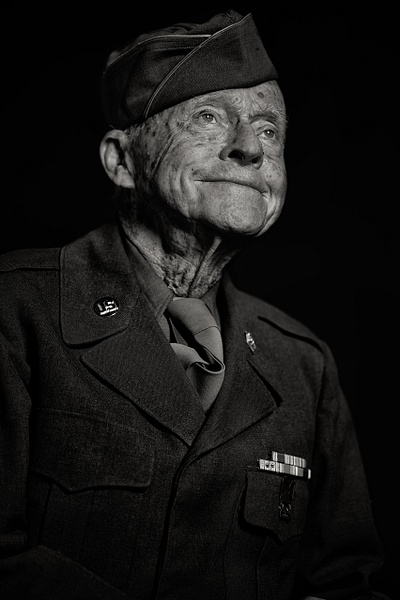
US Army
T4
World War 2
Andree Chappaz was born in the United States on September 14, 1925. His early years saw his family relocate to France when he was four years old. Andree’s formative years were spent in France, where his father found employment at an aircraft factory near Paris. With the growing turmoil in France and the looming threat of war, the Chappaz family decided to return to the United States on Thanksgiving Day, 1937.
After graduating high school, Andree pursued his passion for the arts by attending the California School of Fine Arts in San Francisco. His life took an unexpected turn when a military captain arrived to recruit personnel for a headquarters unit, specifically needing graphic artists. Andree eagerly awaited his 18th birthday, which arrived in September 1943, marking his induction into the U.S. Army. However, Andree was not assigned to the graphics unit as initially expected; instead, he found himself with the Engineers at March Field. Subsequently, he was transferred to the 1885th Aviation Engineering Battalion. This unit’s primary responsibility was to construct airfields for heavy bombers as the war front advanced, ensuring these bombers remained within range as the front lines shifted from island to island. Andree’s journey took him to Bushnell Army Airfield in Florida, where he underwent rigorous training in tropical conditions. The unit’s destination was Guam, where they were tasked with building three crucial airfields: Hammond Air Field, Anderson Field, and an outlaying landing field. Hammond Air Field, in particular, became the headquarters for the XXI Bomber Command, operating the new B-29 Superfortress, which brought the Japanese homeland into striking distance. Remarkably, this airfield was constructed in just 54 days, with Andree and his fellow soldiers working day and night.
It is important to note that even after the Marines secured Guam, many Japanese soldiers remained on the island, occasionally interfering with construction projects. Andree and his fellow soldiers participated in patrols to maintain the security of the airfields. One of their initial tasks was to clear the airfield construction zone of mines and unexploded ordnance left behind by both sides during the conflict. During one such patrol, Andree discovered a mine rigged to a bomb on the beach, a situation that had to be carefully handled.
Like many others in his unit, Andree had been issued the wool uniform (commonly referred to as “woolies”), which indicated preparations for the impending landings on the Japanese mainland. It was during this time that the news broke of the bombing of Hiroshima and Nagasaki, bringing an end to the war in the Pacific, a relief to all soldiers who had anxiously wondered when the conflict would conclude. Before the war’s conclusion, Andree was promoted to Technician in Fifth Grade.
In February 1946, Andree was honorably demobilized and returned to the San Francisco area. After his military service, he resumed his education at the Art Institute, although after a year, he decided to leave school. Subsequently, he worked in the silk-screening industry for the Army at the Presidio for several years.
Veteran,NIK,WW2
US Army
T4
World War 2
Andree Chappaz was born in the United States on September 14, 1925. His early years saw his family relocate to France when he was four years old. Andree’s formative years were spent in France, where his father found employment at an aircraft factory near Paris. With the growing turmoil in France and the looming threat of war, the Chappaz family decided to return to the United States on Thanksgiving Day, 1937.
After graduating high school, Andree pursued his passion for the arts by attending the California School of Fine Arts in San Francisco. His life took an unexpected turn when a military captain arrived to recruit personnel for a headquarters unit, specifically needing graphic artists. Andree eagerly awaited his 18th birthday, which arrived in September 1943, marking his induction into the U.S. Army. However, Andree was not assigned to the graphics unit as initially expected; instead, he found himself with the Engineers at March Field. Subsequently, he was transferred to the 1885th Aviation Engineering Battalion. This unit’s primary responsibility was to construct airfields for heavy bombers as the war front advanced, ensuring these bombers remained within range as the front lines shifted from island to island. Andree’s journey took him to Bushnell Army Airfield in Florida, where he underwent rigorous training in tropical conditions. The unit’s destination was Guam, where they were tasked with building three crucial airfields: Hammond Air Field, Anderson Field, and an outlaying landing field. Hammond Air Field, in particular, became the headquarters for the XXI Bomber Command, operating the new B-29 Superfortress, which brought the Japanese homeland into striking distance. Remarkably, this airfield was constructed in just 54 days, with Andree and his fellow soldiers working day and night.
It is important to note that even after the Marines secured Guam, many Japanese soldiers remained on the island, occasionally interfering with construction projects. Andree and his fellow soldiers participated in patrols to maintain the security of the airfields. One of their initial tasks was to clear the airfield construction zone of mines and unexploded ordnance left behind by both sides during the conflict. During one such patrol, Andree discovered a mine rigged to a bomb on the beach, a situation that had to be carefully handled.
Like many others in his unit, Andree had been issued the wool uniform (commonly referred to as “woolies”), which indicated preparations for the impending landings on the Japanese mainland. It was during this time that the news broke of the bombing of Hiroshima and Nagasaki, bringing an end to the war in the Pacific, a relief to all soldiers who had anxiously wondered when the conflict would conclude. Before the war’s conclusion, Andree was promoted to Technician in Fifth Grade.
In February 1946, Andree was honorably demobilized and returned to the San Francisco area. After his military service, he resumed his education at the Art Institute, although after a year, he decided to leave school. Subsequently, he worked in the silk-screening industry for the Army at the Presidio for several years.
Privacy and cookie policy
This site uses cookies to enhance your browsing experience, serve personalized content, and analyze traffic. By continuing to use this site you agree touse of cookies and stewardship of your data.